Lead Response Time: Why the First 5 Minutes Decide Your Sale (2026 India Guide)
⚡ Quick Answer
Responding to a new lead within 5 minutes makes you 21× more likely to qualify them and 100× more likely to reach them compared to waiting 30 minutes. In India's competitive market, this single improvement can add 20–40% more revenue without spending a single rupee more on marketing.
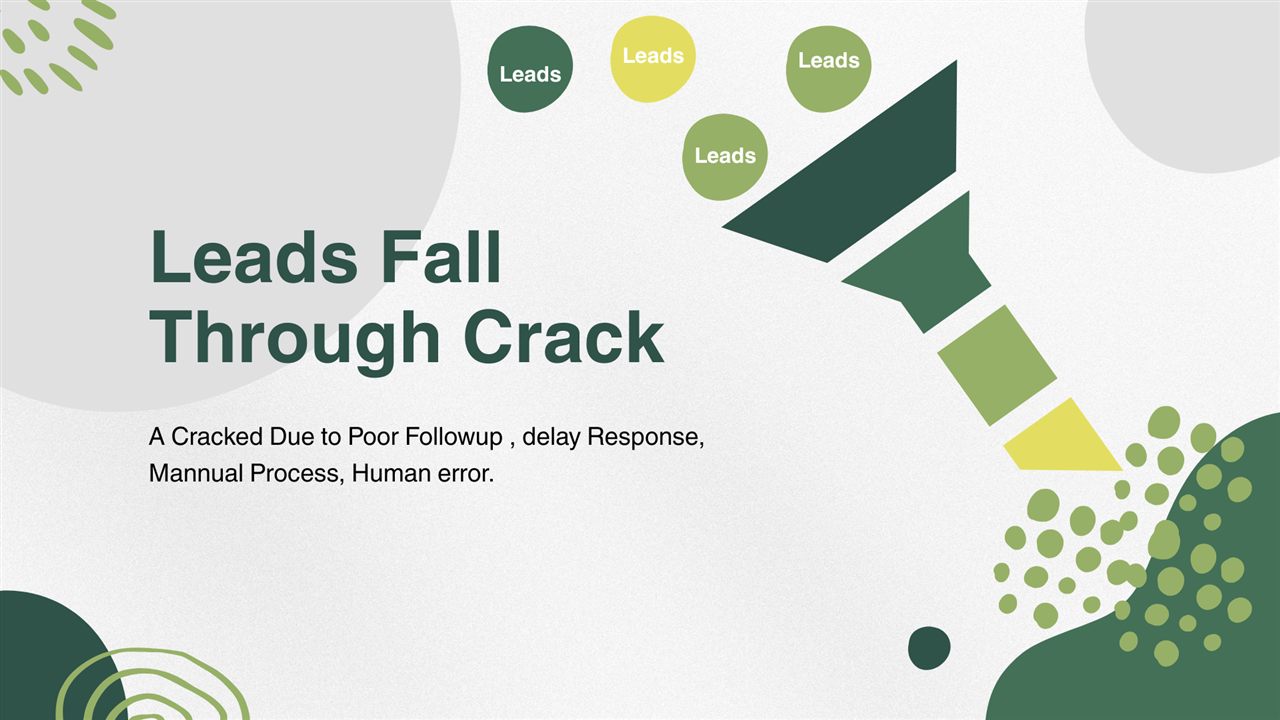
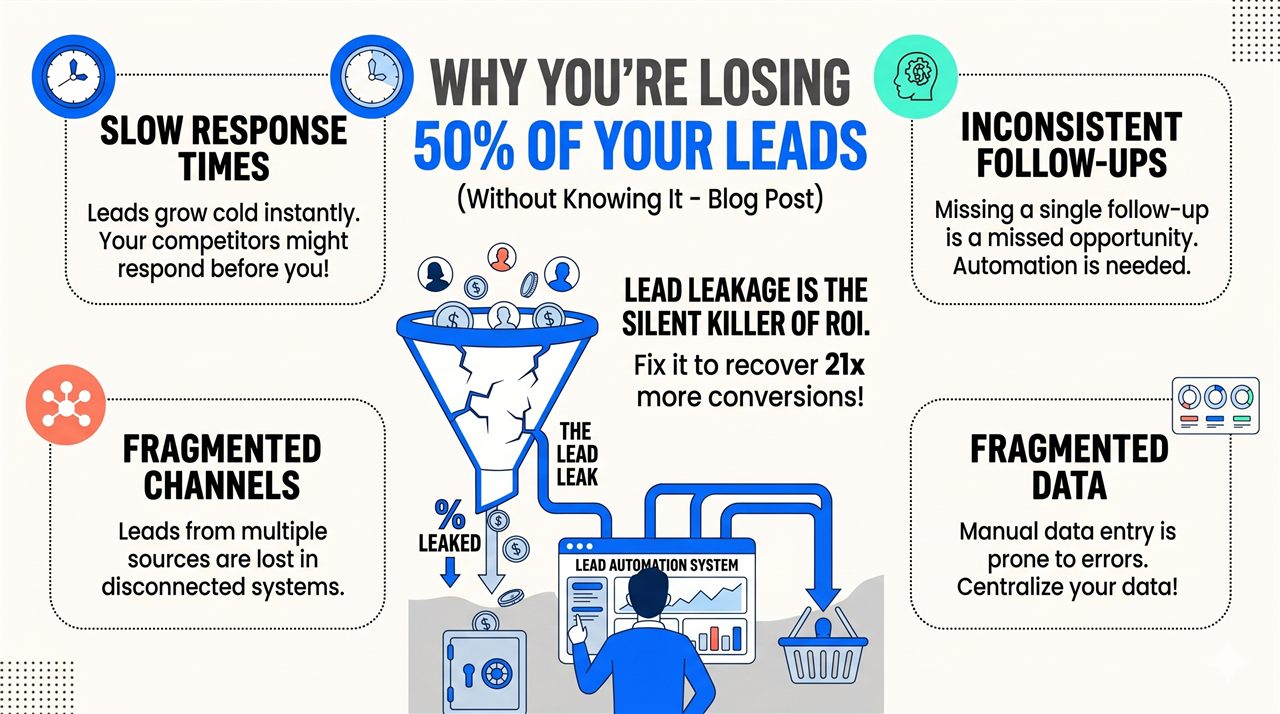
You spent money on ads. A prospect clicked, liked what they saw, and filled your contact form. They're interested — right now, in this moment. And then... nothing for 4 hours while you were in a meeting.
By the time you call back, they've already spoken to two competitors, one of whom responded in 10 minutes. Your chance? Gone. The money you spent on that lead? Wasted.
This scenario plays out thousands of times every day across India. And the data on how badly slow response times hurt your business is nothing short of alarming.
The Science Behind the 5-Minute Rule
The research on lead response time is definitive. A landmark study conducted by MIT and published in the Harvard Business Review tracked 100,000 sales enquiries across multiple industries and found something remarkable:
- Leads contacted within 5 minutes were 21× more likely to qualify than leads contacted after 30 minutes
- The same leads were 100× more likely to be reached at the 5-minute mark compared to 30 minutes
- After just 1 hour, the odds of qualifying that lead dropped by 7×
- After 24 hours, the lead was effectively cold — conversion probability dropped to near zero
Why does this happen? It comes down to buying psychology. When a prospect enquires about your product or service, they're in an active decision-making state. Their intent is highest, their attention is focused, and their emotional readiness to buy is at its peak.
Every minute you delay, that state weakens. They get distracted by other tasks. They discover another option. The emotional urgency that made them fill that form fades. And once they've spoken to a competitor who responded faster — that competitor has their attention.
What This Means for Indian Businesses in 2026
The urgency is even sharper in the Indian market. Here's why:
WhatsApp culture changes the expectation. Indian consumers are accustomed to instant communication. When someone sends a WhatsApp message to a business, they expect a reply within minutes — not hours. The same expectation has transferred to web forms, Facebook lead ads, and Google enquiries.
Comparison shopping is instant. A real estate prospect searching for a 2BHK in Bangalore can enquire on 5 different developer websites in under 3 minutes. The first agent who calls wins a disproportionate share of site visits. The agents who call 4 hours later are effectively calling a cold lead.
Competition has never been higher. With digital marketing becoming mainstream for SMBs, your prospects have more choices than ever. Being first to respond is one of the few advantages that cannot be bought — but it can be automated.
"In Indian B2C sales, the first 5 minutes represent the golden window. Miss it, and you're competing at a severe disadvantage regardless of how good your product is."
The Uncomfortable Reality: How Long Are Businesses Actually Taking?
Research from InsideSales.com found that the average response time for web enquiries is 46 hours and 53 minutes. Nearly two days. And fewer than 37% of businesses ever respond to a web lead at all.
In India specifically, a mystery shopping exercise across 50 SMBs in various categories found:
| Response Time | % of Businesses | Lead Qualification Probability |
|---|---|---|
| Under 5 minutes | 12% | Very High |
| 5–30 minutes | 18% | High |
| 30 min – 2 hours | 25% | Moderate |
| 2–24 hours | 27% | Low |
| Never responded | 18% | Zero |
If you're currently responding within 2 hours, you're better than 45% of businesses. But you're still leaving enormous revenue on the table compared to the businesses responding in under 5 minutes.
The Revenue Impact of Slow Response Times
Let's make this concrete with numbers that might surprise you.
Imagine your business gets 50 leads per month with an average deal value of ₹25,000, and your current conversion rate is 10%.
That means you're currently closing about 5 deals per month — ₹1.25 lakh revenue from your leads.
Now consider: if you moved from a 4-hour average response time to a 5-minute response time, research suggests your conversion rate would improve by approximately 30–40% (conservative estimate for the Indian market).
That means instead of 5 deals, you'd be closing 6.5–7 deals per month. From the exact same leads, with the exact same product, and the exact same pricing — just by responding faster.
That's an additional ₹37,500–₹50,000 per month, or ₹4.5–6 lakh per year, generated purely by fixing your response time. No extra ad spend required.
Why Most Businesses Can't Respond in 5 Minutes (And Why Automation Solves It)
The problem isn't intention — every business owner wants to respond quickly. The problem is the process.
Here's what typically happens when a lead comes in manually:
- Lead fills a form on your website at 11:47 AM
- Form submission lands in an email inbox that someone checks periodically
- That person is currently on a call, in a meeting, or having lunch
- They notice the email at 1:30 PM
- They write down the lead details in a spreadsheet
- They call the lead at 2:00 PM — 2 hours and 13 minutes after the enquiry
The lead has already spoken to your competitor who responded at 11:52 AM. Your call goes unanswered because the prospect is now engaged with that competitor.
This is why lead automation is not a luxury — it's the single most impactful sales tool for businesses that rely on inbound leads.
How Automation Guarantees Sub-5-Minute Response Times
With the right automation setup, this is how the exact same scenario plays out:
- Lead fills your form at 11:47 AM
- At 11:47:05 AM — a WhatsApp message goes to the lead: "Hi [Name], thanks for your enquiry! We'll call you within the hour. Meanwhile, here's our [brochure/pricing/details link]."
- At 11:47:06 AM — the lead is automatically added to your CRM with all their details tagged and organised
- At 11:47:07 AM — your sales rep gets a notification on their phone: "New lead: [Name], [Phone], [Details]"
- At 11:50 AM — your rep calls while the lead is still in buying mode and already feels positive because they received an immediate response
The difference? A sub-5-minute personalised touch that costs you nothing per lead and runs 24/7 — including weekends, late nights, and holidays.
Tools like GoHighLevel (which we use at LeadAutomation.net) allow you to set up this exact workflow once, and it runs automatically for every single lead, forever — from Facebook ads, Google forms, your website, WhatsApp enquiries, and more.
Why WhatsApp Should Be Your First Response Channel
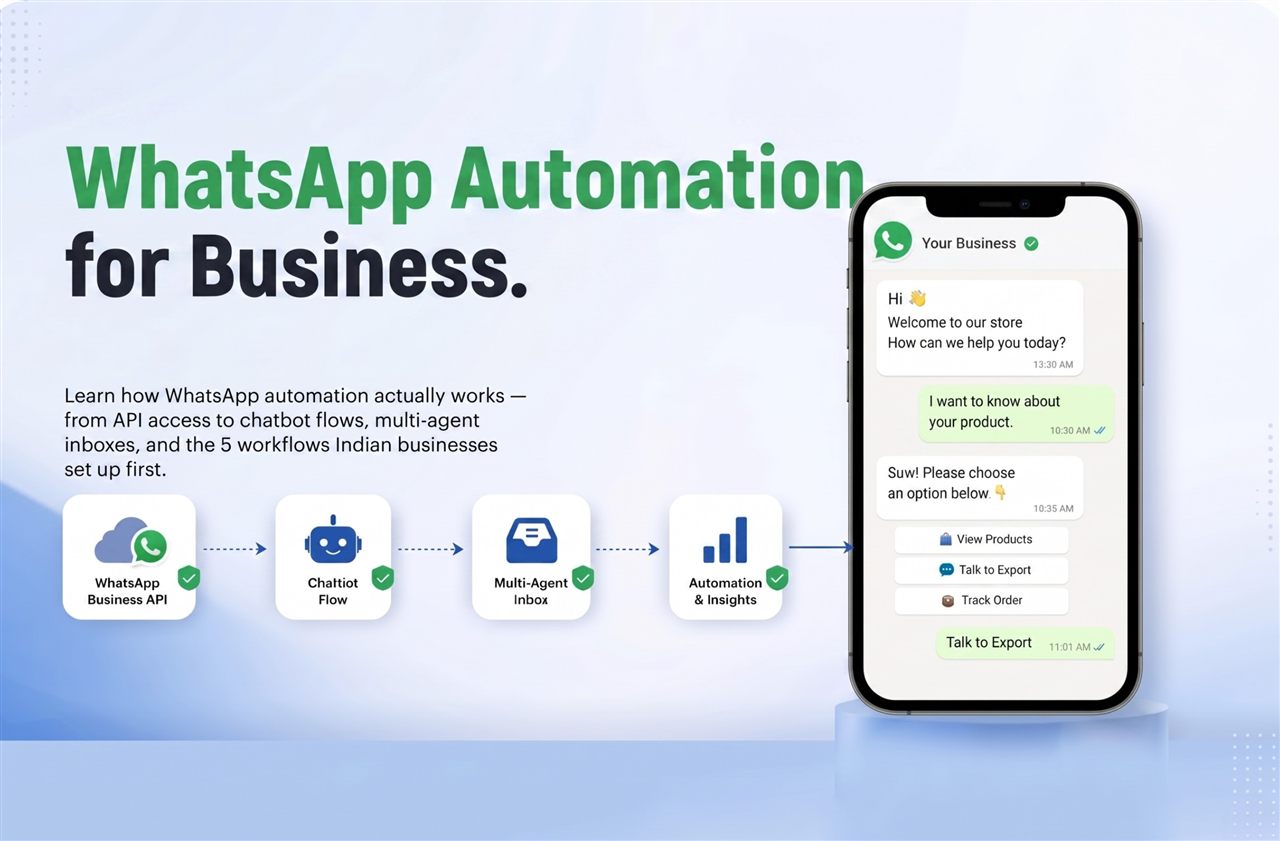
In India, WhatsApp has a 98% open rate for business messages. Email has around 20%. SMS has around 45%. This makes WhatsApp the clear winner for initial lead response.
An automated WhatsApp message to a new lead accomplishes several things simultaneously:
- Confirms their enquiry was received — reduces anxiety and builds trust immediately
- Sets expectations — tells them when to expect a call, reducing the chance they'll call a competitor in the meantime
- Delivers value immediately — you can include a brochure, pricing guide, or relevant resource link
- Opens a conversation channel — once a WhatsApp thread is started, prospects are much more likely to respond and engage
Combined with an automated email and an internal sales alert, this three-touch immediate response system is the most effective first-contact approach for Indian businesses.
The Multi-Touch Immediate Response Framework
Here's the exact framework we implement for our clients at LeadAutomation.net:
Touch 1 (0–5 seconds): Automated WhatsApp message
Personalised with the lead's name,
confirms enquiry received, sets expectations, includes a relevant resource.
Touch 2 (0–5 seconds, simultaneously): Automated Email
More detailed information about
your service, case studies or testimonials, a clear call-to-action button.
Touch 3 (0–5 seconds, internal): Sales rep notification
Push notification to the
assigned rep's phone with all lead details, flagged as urgent, with a one-tap call button.
Touch 4 (within 15–30 minutes): Human phone call
The sales rep calls while the lead is
still warm, already has context from the CRM, and can reference the initial message sent.
This framework consistently produces 2–3× better conversion rates than manual follow-up for our clients across industries.
The After-Hours Problem — and How to Solve It
One of the most overlooked aspects of lead response time is after-hours enquiries. Research shows that 35–45% of online enquiries come outside business hours — evenings, weekends, and holidays.
For businesses without automation, these leads wait until the next morning (or Monday) before anyone responds. By then, they're cold. Automation changes this completely.
Your automated response system doesn't care if it's 2 AM on a Sunday. Every lead gets the same immediate, professional response regardless of when they enquire. And they'll be in your CRM ready for a follow-up call when your team starts work in the morning.
This single improvement — capturing and responding to after-hours leads — typically adds 15–25% to a business's lead conversion rate.
Industry-Specific Response Time Examples
Real Estate: Prospects enquiring on 99acres or MagicBricks are simultaneously checking multiple listings. A sub-5-minute response with property photos and a site visit booking link consistently wins 3× more site visits than delayed responses.
Salons & Clinics: When someone searches "salon near me" and enquires, they're looking to book today or tomorrow. A 2-hour response often means they've already booked elsewhere. Automation fills these booking gaps 24/7.
E-commerce: Cart abandonment messages sent within 30 minutes recover 3× more carts than those sent after 24 hours. The principle is identical — immediacy wins.
Education & Coaching: Parents enquiring about admissions are comparing multiple institutes simultaneously. The institute that responds first — with personalised information — is at a massive psychological advantage.
How to Measure Your Current Lead Response Time
Before you fix the problem, measure it. Here's a simple 3-step audit:
- Submit a test lead from your own website or ad form right now, using a personal phone number you control
- Note the time of submission, then track when the first response arrives (call, WhatsApp, or email)
- Calculate your average by doing this across 5 different times of day, including evenings and weekends
Most business owners are shocked by what they find. If your average is over 1 hour, you're likely losing 30–50% of your potential revenue to competitors with faster response systems.
How to Implement Sub-5-Minute Response Times Starting Today
You have two main options:
Option 1: DIY Approach — Sign up for a tool like GoHighLevel or Zoho CRM. Build a webhook to connect your lead forms to automated WhatsApp messages. Create email templates. Set up internal notifications. This takes 1–3 weeks for someone with technical knowledge, and ongoing maintenance.
Option 2: Done-for-You (Recommended) — Work with an automation service like LeadAutomation.net that sets up your entire response system in 7–15 days. We connect all your lead sources, build the automated response flows, set up your CRM, and test everything before go-live. You focus on answering calls, not building systems.
🎯 Key Takeaway
Lead response time is the highest-leverage, lowest-cost improvement most businesses can make to their conversion rate. It requires no more ad spend, no more leads, and no product changes — just a system that responds faster than your competition. Automation makes this effortless and permanent.
Frequently Asked Questions